
Having a website is an important starting point for any business looking to establish an online presence, but attracting visitors requires a little more work. Search engine optimisation (SEO) helps businesses improve their visibility in organic search results, making it easier for potential customers to discover their products, services and expertise. However, achieving meaningful results requires more than adding a few keywords to website pages. A successful SEO strategy needs to consider content, technical performance and the way people search online.
Start with the Right Keyword Research
Understanding what potential customers are searching for provides the foundation for an effective SEO campaign. Keyword research helps identify the phrases people use when looking for particular products, services or information.
Rather than concentrating exclusively on broad, highly competitive search terms, businesses should consider more specific phrases that reflect their offerings. These longer search queries, often called long-tail keywords, can attract visitors with a clearer idea of what they want.
Search intent is another important consideration. Someone searching for general information may not be ready to make a purchase, whereas a person looking for a particular service in their area could be much closer to contacting a provider. Understanding these differences helps businesses create content that matches the needs of their intended audience.
Develop Content That Provides Genuine Value
Content remains an important part of SEO, but producing large quantities of articles without a clear purpose is unlikely to deliver lasting benefits. Search engines aim to provide users with relevant, useful information, so businesses should concentrate on creating pages that answer real questions and demonstrate their knowledge.
Service pages should explain what a company offers, who its services are suitable for and why customers might choose it. Blog articles can explore industry developments, answer common questions and provide practical advice related to the business.
Content should also be reviewed regularly. Outdated information, broken links and pages that no longer reflect current services can undermine the quality of a website. Updating existing material can be just as valuable as publishing something new, particularly when it improves accuracy, relevance and usefulness.
Don’t Overlook Technical SEO
Even excellent content can struggle to perform if a website has underlying technical problems. Technical SEO focuses on making sure search engines can access, understand and index website content effectively.
Important areas include website loading speed, mobile usability, secure connections and logical site architecture. XML sitemaps and correctly configured robots.txt files can also help search engines navigate a website, while structured data may provide additional context about certain types of content.
Broken links, duplicate pages and incorrect redirects are other issues worth investigating. Regular technical audits can uncover problems that might otherwise go unnoticed, allowing businesses to address them before they have a greater impact on search performance.
Build Authority and Strengthen Your Online Presence
Search visibility is influenced by more than what appears on a company’s own website. Links from relevant, reputable external websites can help demonstrate credibility and introduce a business to new audiences.
Developing useful resources, contributing expert commentary and building relationships with relevant industry publications can all create opportunities to earn worthwhile backlinks. Quality should take priority over quantity, as acquiring large numbers of unrelated or low-quality links is not a sensible long-term strategy.
Businesses should also ensure that their contact details, company information and branding are consistent across relevant online directories and profiles. For companies serving particular geographical areas, local SEO can provide additional opportunities to appear in location-based searches.
Measure Results and Refine Your Approach
SEO is not a one-off activity. Search behaviour changes, competitors improve their websites and search engine algorithms continue to evolve. Monitoring performance helps businesses understand which activities are producing results and where further work may be needed.
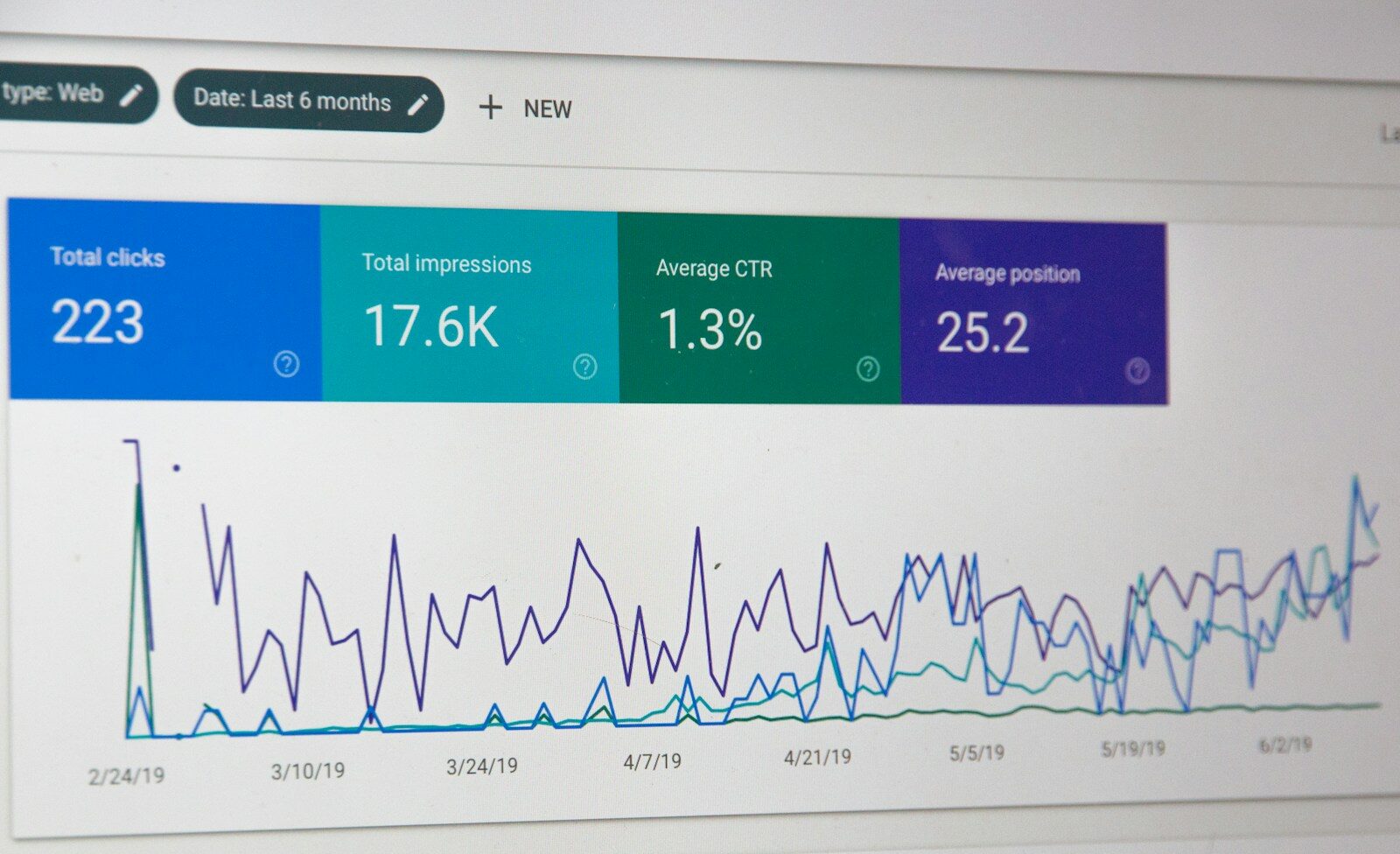
Tools such as Google Analytics and Google Search Console can provide useful information about website traffic, search impressions, clicks and visitor behaviour. Tracking enquiries, sales and other meaningful conversions is particularly important, as increased traffic alone does not necessarily translate into business growth.
The most effective SEO strategies combine research, useful content, technical improvements and ongoing analysis. By taking a consistent approach and concentrating on the needs of their audience, businesses can build stronger organic visibility and create a more reliable source of online enquiries over time.
Photo by Stephen Phillips